The Wilder Blog

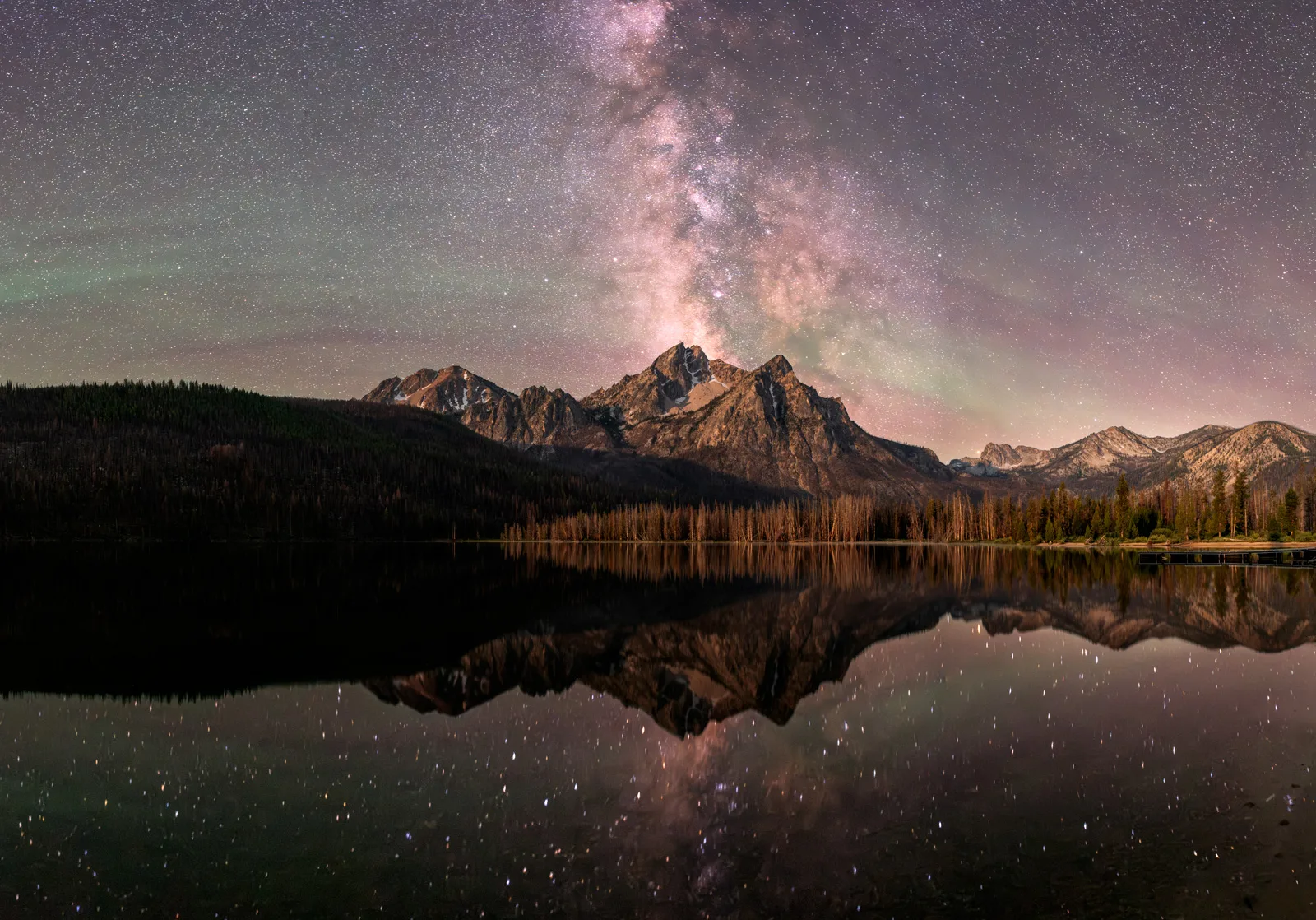
Milky Way photography over the Sawtooth Mountains reflected in a still alpine lake at night

How to Photograph the Milky Way

Roughly 80% of North Americans can no longer see the Milky Way from where they live. There are still places where the Milky Way arches from horizon to horizon, bright enough to cast a shadow. This is a guide to finding them, planning the shoot, and dialing in the settings that turn a dark night into a keeper frame.

Read More →

Field Guides

Stories from the road.

Trip reports, wildlife encounters, and the quiet hours in the field that make every image worth the wait.


Sandhill crane with wings fully outstretched in courtship display at Bosque del Apache National Wildlife Refuge

Sandhill Crane Migration

Snow falling. A bone-chilling wind cutting through every layer, instantly freezing me in the fourteen-degree temperature. Seriously questioning my decision to leave the warmth of home during a snowstorm to photograph the Sandhill Cranes, I made my way in the dark to a frozen bird blind at Bosque del Apache. Silence.

Read More →

Night Skies

Dark skies, Matter.

Astrophotography guides, dark-sky locations, and notes from long nights under the stars.


Location Gear Guide

Location Gear Guide

Gear essentials, by location.

Quick and easy must-haves for each location. For the workshop locations I teach at, see the full gear list. Not a generic checklist, but the actual gear I take to different locations.

Grand Teton National Park, Wyoming
Grand Teton NP, Wyoming

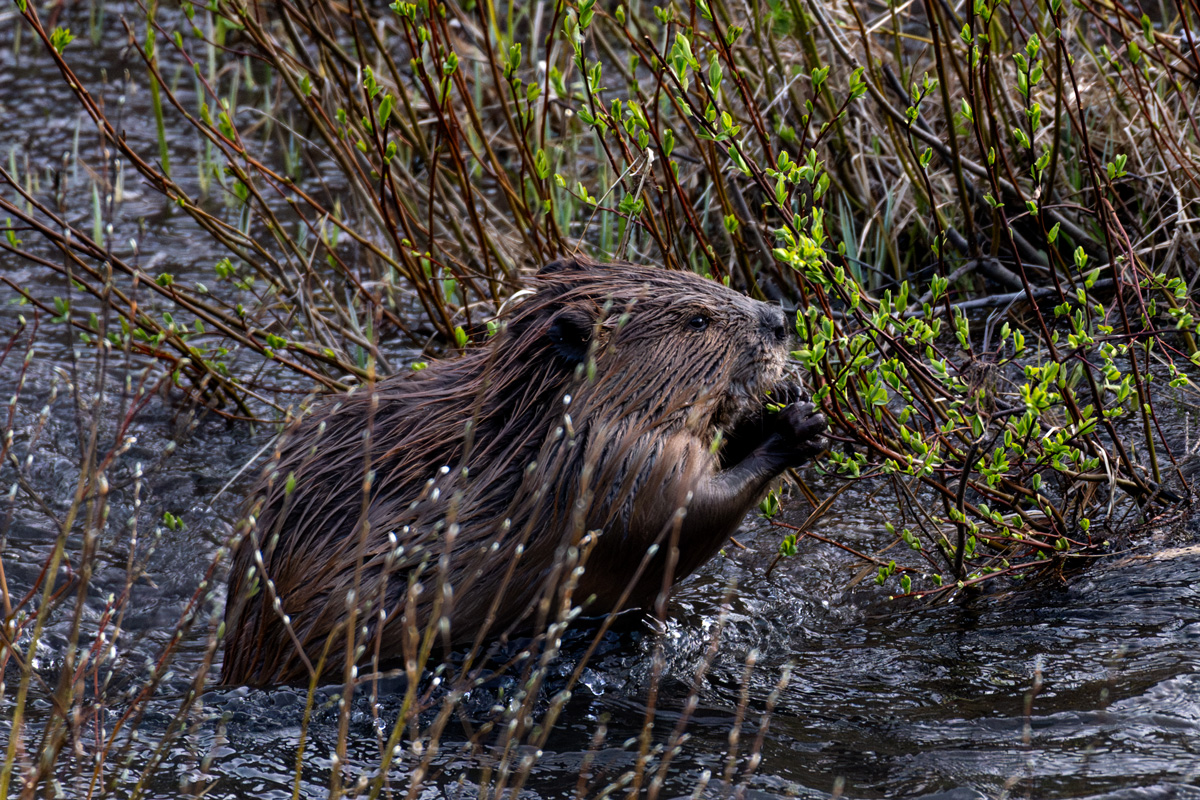
Beaver Ponds & Wetlands

Quiet, patient work at the water's edge, often at dawn or dusk.

  • Lens range: 100–600mm
  • Tripod/Monopod
  • Extra batteries
  • Head net & unscented repellent (scented formulas can deter wildlife)
  • Foam pad for sitting at ground level
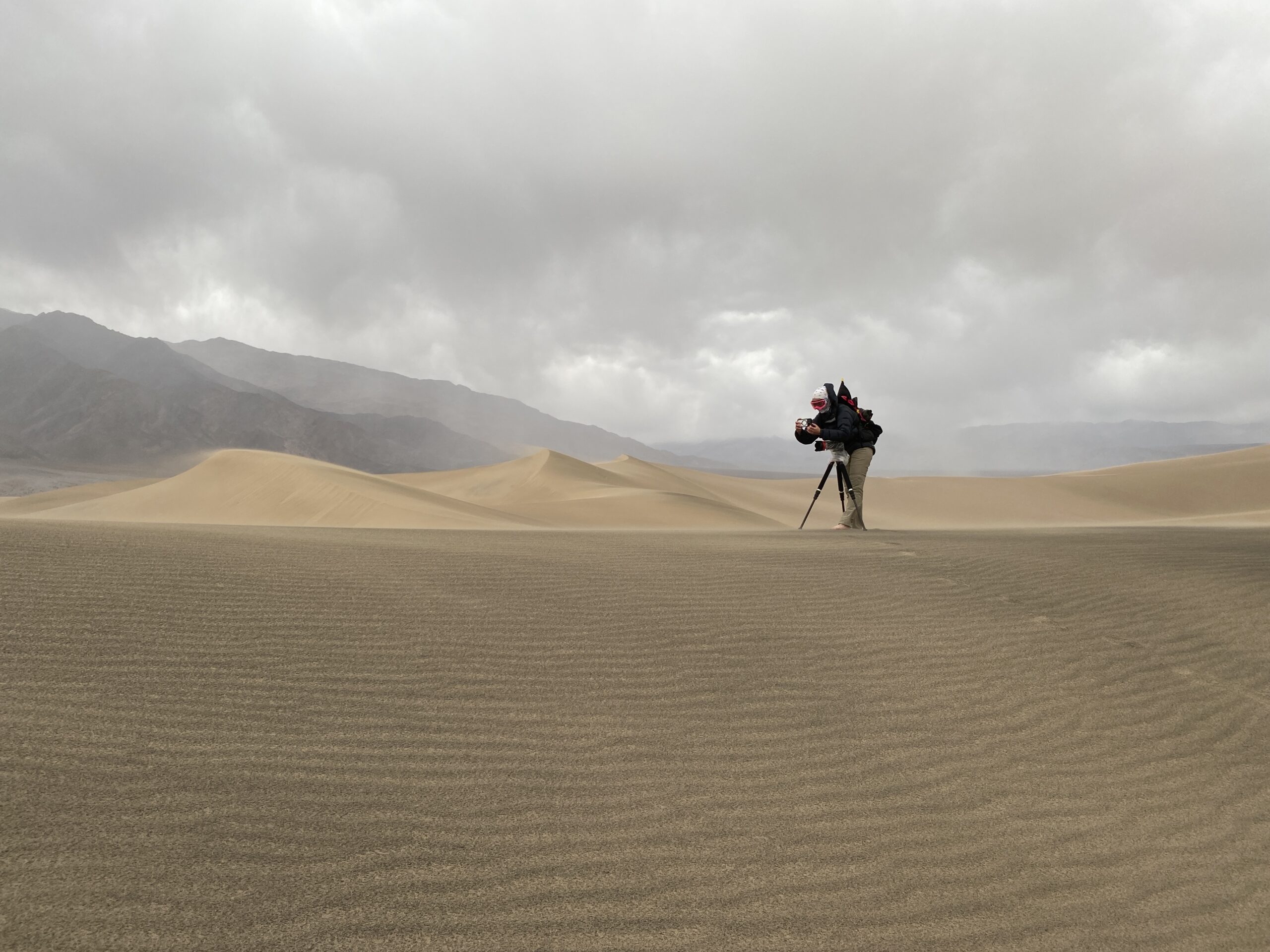
Death Valley, California

Dunes & Salt Flats

Blowing sand and dust are a constant here, and desert nights get cold fast.

  • Lens range: 14–600mm, f/2.8 or wider (600mm for distant abstracts)
  • Personal protection: buff, dirt bike goggles, ear plugs, beach blanket
  • Camera protection: rain cover (taped down), UV filters for each lens
  • Trekking poles with snow baskets for hiking in the dunes
  • Shoes and tripod I'm willing to trash when I get back (salt will destroy them)
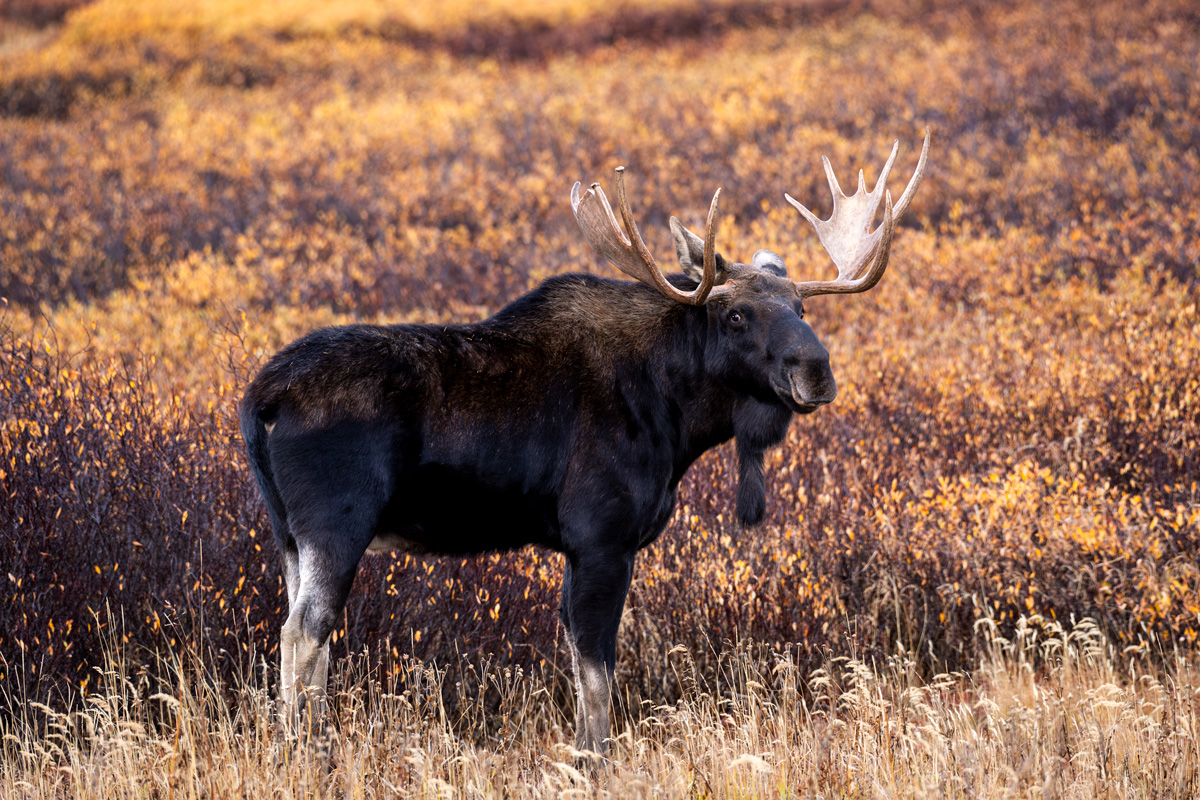
Colorado Backcountry

Fall Moose Rut

Bulls are unpredictable this time of year — distance and awareness come first.

  • Lens range: 200–600mm & 1.4x teleconverter
  • Tripod/Monopod
  • Extra batteries
  • Muted colored clothing or hunter orange vest
  • Warm layers, gloves & hand warmers (also used to warm batteries)
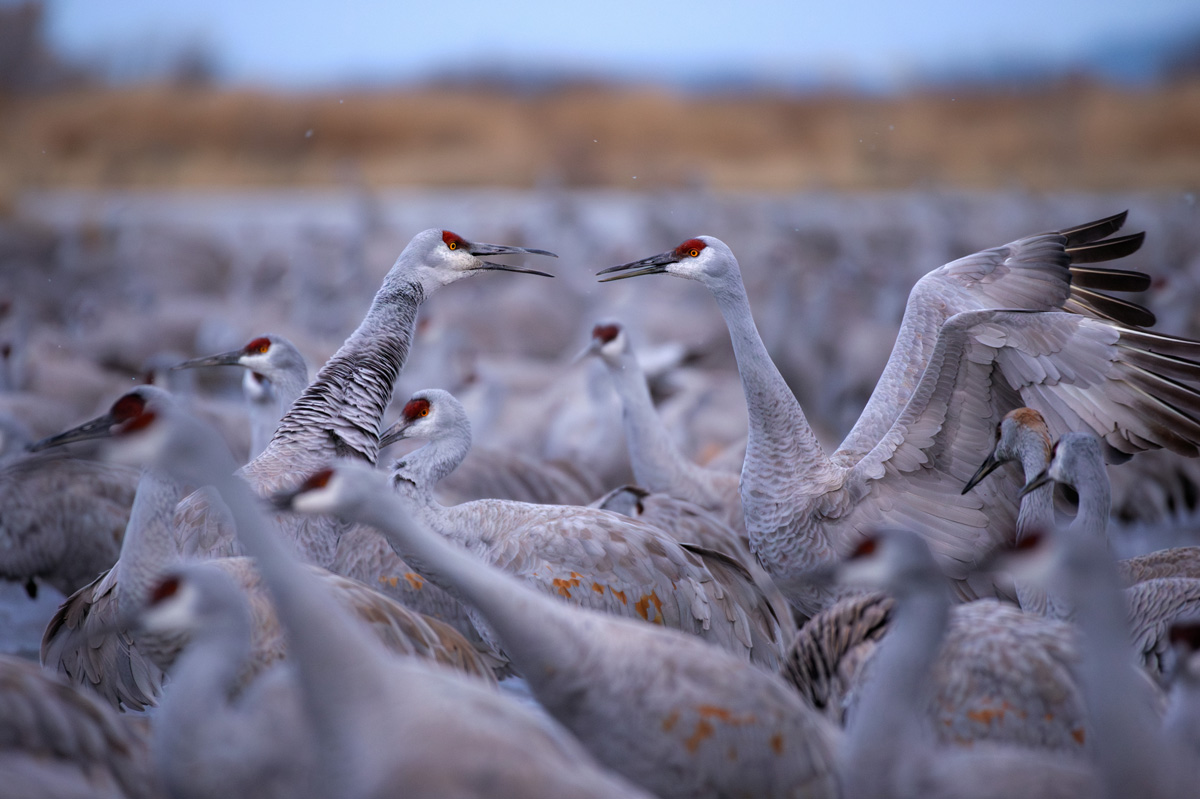
Bosque del Apache, New Mexico

Winter Crane Migration

Pre-dawn blinds and frozen ponds — dress for well below freezing.

  • Down jacket, Rab Photon pants, hat, gloves, snow boots & hot beverage
  • Lens range: 70–600mm
  • Tripod/Monopod
  • Extra batteries
  • Foam pad for ground-level shooting

Full Gear Lists by Location
  • Death Valley, California
  • Grand Teton NP, Wyoming — Coming Soon
  • Colorado High Country — Coming Soon
  • Utah & Arizona Backcountry — Coming Soon